
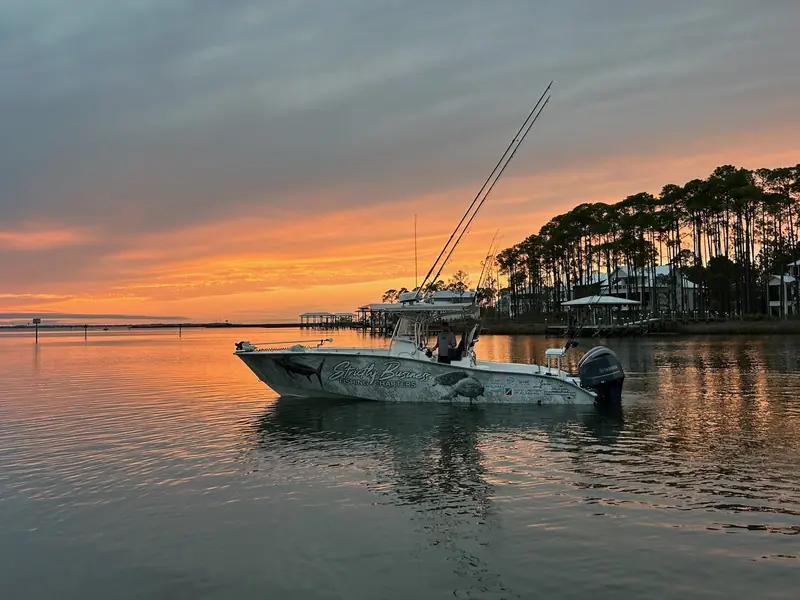
Along the emerald waters of the Gulf Coast, few pursuits stir as much excitement as chasing a true offshore trophy. From 30A, Florida, anglers launch into some of the most productive offshore waters along the Emerald Coast, just east of Destin, but distinctly positioned for those staying in Santa Rosa Beach and the surrounding 30A communities. Crews head beyond the pass with visions of massive grouper, hard-charging tuna, or a billfish crashing the spread.
When that once-in-a-lifetime catch hits the deck, the dockside conversation usually circles back to one question. Was it skill, luck, or simply perfect conditions?
The honest answer weaves all three together. Yet each factor plays a distinct role, and understanding that balance can shift how anglers prepare, measure success, and respect the fishery itself.
What “Trophy” Means When Offshore Fishing from 30A, Florida
In the waters off the Emerald Coast, the term trophy varies by species and season. A red snapper pushing double digits during federal season feels significant. A hefty amberjack testing both tackle and stamina earns the label. For others, a sailfish or blue marlin offshore marks the pinnacle.
Fishing charters operating from 30A, Florida, have direct access to natural limestone reefs, artificial reef systems, and deeper ledges that hold both bottom-dwelling and pelagic species. The proximity to productive Gulf structure gives anglers a legitimate opportunity at trophy-class fish without needing to travel far from 30A accommodations.
Skill: The Unseen Foundation
Skill tends to hide in plain sight. It shows up in the quiet details rather than dramatic moments.
Reading water color changes, interpreting subtle temperature breaks, and identifying current lines can determine whether a crew trolls over empty blue water or through a corridor of feeding fish. Experienced captains track seasonal patterns. They know when snapper shift from shallow structure to deeper ledges. They recognize how bait migrations draw king mackerel or blackfin tuna within range.
Boat positioning matters. Dropping a bait precisely up-current of a wreck allows it to settle naturally into the strike zone. Too far off and the bait drifts away from the structure. Too tight and it snags. The difference between a near miss and a hooked fish often comes down to feet rather than yards.
Then there is fight management. Offshore species test drag settings, knots, and angler composure. A trophy fish exposes weak leaders, rushed adjustments, or inconsistent pressure. Skill guides how to clear lines during a multiple hookup, how to communicate across the cockpit, and how to lead a tired fish safely to the gaff or release.
For anglers staying along 30A, choosing a charter with experienced local captains dramatically increases the odds of converting opportunity into success. Luck may open the door, but skill keeps it from slamming shut.
Conditions Offshore Near 30A: The Gulf’s Great Equalizer
Even the most prepared crew answers to the Gulf.
Wind direction influences sea state and drift speed. A stiff east wind can push boats off structure quickly, demanding heavier weights or constant repositioning. Current strength affects bait presentation. A ripping current may stack fish on the up-current edge of a reef, concentrating the bite into a narrow band.
Water temperature swings influence species distribution. Slight changes in surface temperature can signal where bait schools gather. Storm systems offshore may create pressure shifts that trigger feeding windows or shut them down.
Visibility plays a role as well. Clear water allows sight-feeding pelagics to track lures from greater distances. Murkier water might favor slower presentations or natural baits.
Because 30A charters launch from the eastern side of the Destin area, captains can often adjust routes and target zones based on real-time Gulf conditions, optimizing the day’s plan rather than forcing a fixed itinerary. Conditions do not eliminate opportunity, yet they shape it. Anglers who adapt to shifting seas often outperform those who cling to a single plan.
Luck in Offshore Fishing: Why Preparation Matters More Than Chance
Luck exists. A fish of exceptional size may rise from deep structure at the exact moment a bait drifts by. A wandering marlin might encounter a trolling spread in a vast stretch of open water.
Yet luck tends to visit prepared crews. Boats that put in the time, refine techniques, and remain flexible create repeated chances. Over a long season, patterns emerge. The same captains consistently encounter larger fish. That consistency points toward preparation aligning with opportunity.
Luck may determine which fish bites first. It rarely explains why certain anglers seem to find themselves in the right zone again and again.
Managing Expectations with Perspective
Chasing trophies offshore near Destin demands patience. Even in productive waters, every trip will not produce a wall-hanger. Weather changes. Fish move. Regulations influence targeting strategies and harvest windows.
A thoughtful angler values the process alongside the outcome. Learning how currents wrap around a reef, understanding why a bite faded after sunrise, or recognizing how bait selection altered results deepens respect for the fishery.
For families and first-time offshore anglers, perspective matters. The thrill of a strong run, the sight of dolphins pacing the bow, or the shared teamwork during a long fight often become lasting memories regardless of the fish’s final weight.
Frequently Asked Questions
What types of fishing trips are available from 30A, Florida?
Strictly Business Fishing Charters offers both inshore and offshore fishing trips departing from the 30A area. Trips are customized based on season, weather conditions, and angler goals, whether targeting reef species or pelagic fish offshore.
Do I need fishing experience to book a 30A offshore charter?
No prior experience is required. Our crew provides guidance on techniques, equipment handling, and fish fighting, making trips suitable for beginners, families, and experienced anglers alike.
What species can I catch offshore near 30A?
Depending on the season and regulations, anglers may target red snapper, grouper, amberjack, king mackerel, tuna, and occasionally billfish species in deeper Gulf waters.
How far offshore do 30A fishing charters travel?
Distance offshore depends on the targeted species and sea conditions. Some reef trips remain relatively close to structure, while pelagic trips may venture farther into deeper Gulf waters to pursue migratory fish.
What should I bring on an offshore fishing trip from 30A?
Guests are typically advised to bring sun protection, weather-appropriate clothing, snacks, and beverages. All rods, reels, bait, and required fishing licenses are provided by the charter.
Ready to experience the thrill of offshore fishing from 30A, Florida, along the Emerald Coast?? Strictly Business Fishing Charters crafts personalized inshore and offshore adventures from Santa Rosa Beach to Destin and 30A, delivering skillful guidance and unforgettable days on the water. Contact us today.