
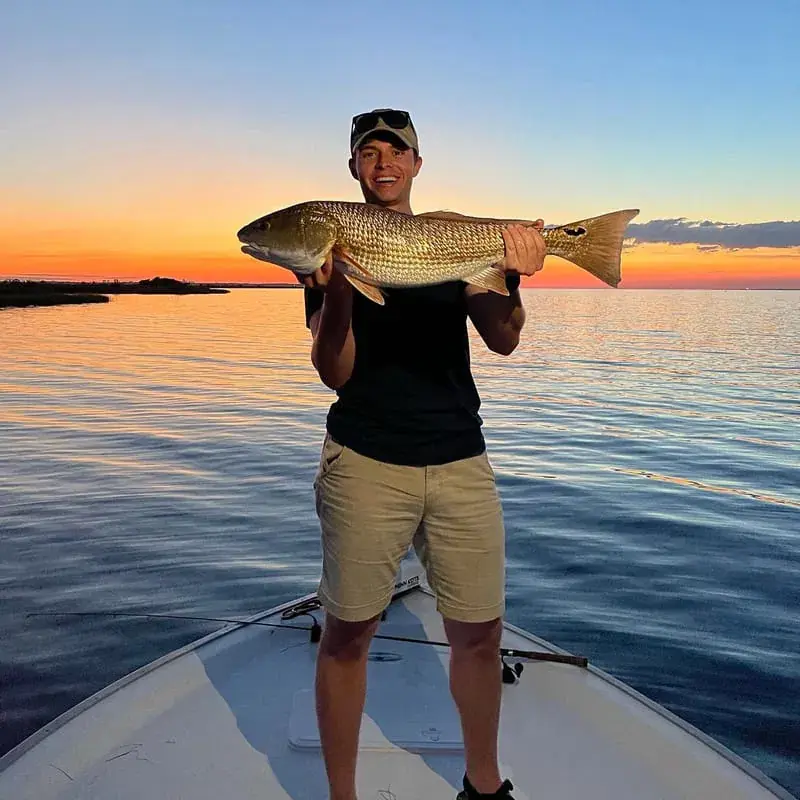
Booking a professional fishing charter in Santa Rosa Beach, FL, transforms a standard coastal trip into a world-class outdoor adventure. Professional captains provide the local knowledge, high-end gear, and safety equipment that solo anglers simply cannot access on their own. These experts track migration patterns and water temperatures daily to ensure guests find the most productive spots in the Choctawhatchee Bay.
What Makes Choctawhatchee Bay a Premier Fishing Destination?
Choctawhatchee Bay serves as a massive nursery for some of the most sought-after saltwater species in the United States. The brackish water, where fresh river water meets the salt of the Gulf, creates a nutrient-rich environment that supports a huge biodiversity. Anglers find success here year-round because the grass flats and oyster bars provide consistent cover for baitfish and predators. This bay is famous for its “Grand Slam” opportunities, where you can catch multiple different species in a single afternoon.
The bay’s structure is diverse, ranging from deep holes under bridges to shallow flats where you can see fish swimming. This variety means that even if the wind is blowing hard from one direction, a skilled captain can always find a protected cove to keep the fishing productive. Local guides spend years learning the specific “lanes” that fish use to travel through the bay based on the tide. This insider knowledge ensures that you aren’t just casting into empty water but targeting high-traffic areas where fish are actively feeding.
Which Species Can You Expect to Catch Near Santa Rosa Beach?
The variety of fish in the local inshore waters keeps every cast interesting, as you never truly know what might grab your bait. While the target species change slightly with the water temperature, several mainstays dominate the local fishing scene throughout the year. If your trip falls in autumn, our guide to fall fishing on 30A covers what bites as the water cools.
- Red Drum (Redfish): Known for their powerful pulls and bronze color, these fish are the prize of the flats.
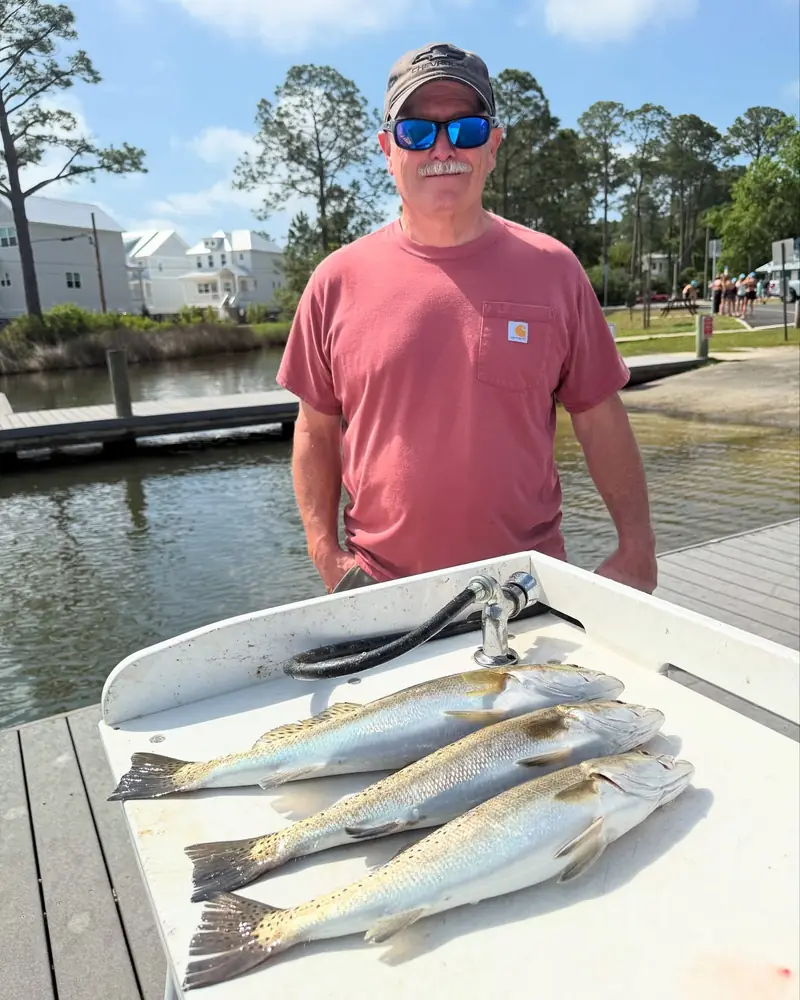
- Speckled Trout: These are popular for their beautiful markings and aggressive strikes on topwater lures or live shrimp.
- Black Drum: Often found around bridge pilings and docks, these heavy hitters provide a great fight for anglers of all skill levels.
- Sheepshead: Famous for their human-like teeth and “bait-stealing” reputation, catching these requires a delicate touch and quick reflexes.
- Flounder: These masters of camouflage hide on the sandy bottom and are highly prized for their delicious, flaky white meat.
How Does a Professional Guide Ensure Your Fishing Success?
A professional guide removes the steep learning curve associated with saltwater fishing by providing the right gear and technical expertise. They understand the “bite windows” that occur during specific tidal movements, which is something a casual observer cannot easily predict. Instead of spending your day trying to find a spot, you spend your time actually fishing because the captain has already done the scouting. They monitor water clarity and salinity levels daily to stay on top of the most active schools.
Beyond finding the fish, a guide acts as a coach on the water. They teach you how to cast accurately, how to work a lure to mimic injured prey, and how to set the hook without pulling it out of the fish’s mouth. This hands-on instruction is invaluable for beginners who might feel intimidated by complex reels and knots. A guide also handles the messy parts, like cutting bait and unhooking fish with sharp fins or teeth. This allows you to enjoy the high-energy moments without the stress of managing the equipment
Why Is High-End Equipment Important for Inshore Success?
Inshore fishing often requires finesse and light tackle to avoid spooking fish in clear, shallow water. Professional charters use high-grade graphite rods that allow you to feel even the smallest “tap” on your line. These rods are paired with smooth drag systems on the reels, which are necessary when a large Redfish decides to make a long run toward a dock or a stump. Using subpar gear often leads to lost fish and frustration, but professional equipment is maintained to perform under pressure.
The boat itself is a specialized tool designed to navigate thin water without making a sound. Modern bay boats feature “trolling motors” with GPS anchoring technology that holds the vessel in one spot without the splash of a heavy metal anchor. This silence is vital when you are stalking fish in three feet of water. Quality electronics also play a role, as side-scanning sonar helps the captain locate underwater structures like oyster bars that aren’t visible from the surface. When every piece of gear works perfectly, your chances of landing a trophy increase significantly.
What Should Beginners Know About Saltwater Fishing Techniques?
Saltwater fishing differs from freshwater pond fishing because the fish are generally stronger and more aware of their surroundings. One of the most important lessons for beginners is learning “line tension” and how to let the rod do the work. You cannot simply winch a saltwater fish in; you must play the fish, letting it run when it’s strong and gaining line when it tires. Your guide will show you how to keep the rod tip up to absorb the shocks of the fish’s head-shakes.
Another key technique involves “stealthy presentation.” In the clear waters near Santa Rosa Beach, dropping a heavy weight right on top of a fish’s head will send the whole school running. Guides teach you to cast “past” the fish or to the side, drawing the bait across their field of vision naturally. Learning to watch the water for “pushes” or “tailing” fish adds a layer of excitement to the trip. It turns the experience into a visual game of strategy rather than just a blind wait for a bite.
Is Inshore Fishing Better Than Offshore for Your Group?
Choosing between inshore and offshore fishing depends on your group’s goals and physical comfort levels. Inshore fishing is generally more accessible because it takes place in calmer waters with shorter travel times to the fishing grounds. You spend more time with your line in the water and less time traveling to the “blue water” miles away. This makes it ideal for half-day trips where you want to get back in time for lunch or a late afternoon at the beach.
Offshore fishing is a different beast, involving larger waves and longer boat rides to reach deep-sea species. While the prospect of a massive Tuna or Marlin is exciting, the physical toll can be high for young children or seniors. Inshore trips offer a “high-action” alternative where you catch more fish in a shorter period. For most families, the ability to see land at all times and the lack of heavy swells make the inshore experience much more enjoyable and relaxing
How to Prepare Your Family for a Day on the Water?
Proper preparation ensures that your day on the boat is comfortable from start to finish. Florida’s sun is intense, especially when it reflects off the white sand and turquoise water of the bay. Every person in your group should wear high-SPF, reef-safe sunscreen and bring a hat with a wide brim. Polarized sunglasses are another essential item; they cut the glare on the water, allowing you to actually see the fish and underwater structures your guide is pointing out.
Hydration is the most important factor in preventing fatigue and heat-related issues. Even though most captains provide water and ice, bringing extra Gatorade or water is always a good idea. Wear light-colored, moisture-wicking clothing that dries quickly if you get splashed. Non-marking shoes are required on most boats to keep the decks clean and provide a safe grip while the boat is moving. A small bag with some light snacks and a camera to capture the catches is all you need to bring along.
The Role of Conservation in Modern Charter Fishing
Modern charter fishing in Florida is heavily focused on preserving the natural resource for the future. Professional guides follow strict state regulations regarding size limits and bag limits to ensure fish populations stay healthy. They often practice “catch and release” for larger breeding fish, which are more important for the ecosystem than they are for the frying pan. Using non-stainless steel hooks and venting tools for deep-water fish are just a few ways professionals minimize their impact.
When you fish with a reputable guide, you learn about the importance of the local seagrass beds. These grasses are the “lungs” of the bay, providing oxygen and habitat for juvenile fish and shrimp. Protecting these areas from propeller scars and pollution is a major part of a captain’s job. By choosing a professional who respects the environment, you are supporting the long-term health of the Santa Rosa Beach fishery. It is a lesson in stewardship that guests of all ages can take home with them.
Common Questions About Santa Rosa Beach Fishing Charters
What Is the Best Time of Day to Go Inshore Fishing?
Early morning is usually the best time because the water is cooler and the winds are typically lower. Fish are more active in the low-light hours before the sun gets high and the water temperatures rise.
Do We Need to Bring Our Own Bait and Tackle?
No, a professional charter provides all the high-quality rods, reels, and fresh bait needed for your trip. They also handle the rigging and knot-tying so you can focus on fishing.
What Happens If It Rains on the Day of Our Trip?
Light rain usually doesn’t stop the fishing, and sometimes it even makes the fish bite better. However, if there is lightning or high winds, the captain will reschedule the trip for safety reasons.
Can We Keep the Fish We Catch During the Trip?
Yes, you can keep any fish that is within the legal size and season limits set by the state. Your captain will even clean and bag the fillets for you at the end of the day.
Experience the Best of the Gulf with Strictly Business Fishing
Strictly Business Fishing Charters provides the premier inshore experience for families and serious anglers visiting Santa Rosa Beach, FL. Our team focuses on providing a high-value day on the water with expert guidance and top-of-the-line equipment. We take pride in teaching our guests the nuances of the Choctawhatchee Bay while ensuring everyone has a safe and exciting time. Book a call with us at (850) 822-5578 to learn more.